
You can do it even with a one-person fundraising team
On 4 June 2026, Sarah Colberg, Interim Head of Corporate Partnerships, Catherine Day, Head of Philanthropy at RSPCA UK, and Dr. Jen Shang presented at the CIOF Annual conference in a session titled “At the Heart of Giving: How You Can Foster Meaningful Donor Relationships with Philanthropic Psychology.”
Across this four-part blog series, we have uncovered how Catherine and Sarah have guided their teams on a PhilPsych journey: discovering what it truly means to understand their donors.
You can revisit any of the previous blogs below.
Blog 4: You can do it even with a small fundraising team
In the first blog in this series, we shared how Catherine and Sarah discovered an important insight: wealthy donors do want to support animal welfare, but they also want to support it in ways that create meaningful change in society. It is a sentiment shared also in their corporate partners.
If you missed the early lessons that shaped their later successes, we highly recommend starting with their groundwork. Seeing where they began makes their roadmap to success much clearer and the creation of your own success much easier.
In the second blog, we shared the successes in their corporate partnership and how the team has seen their corporate partners show their passion and love for animals, how the team nurture that love and experience a renewed sense of purpose and energy themselves.
In the third blog, we shared the successes in their philanthropy and why taking the spotlight away from the charity actually created an opportunity for their donors to embrace the charity’s shared value with them more deeply.
As we conclude this blog series, we want to show solo fundraisers, volunteer fundraisers, and those fundraising teams in small charities , how the same principles can be applied within your capacity.
It would be perfectly fair for fundraisers from small charities to think, “We’re not the RSPCA UK”. We are not able to sign partnerships with Network Rail, or Pets at Home. We don’t receive six-figure legacy donations from the likes of the late Kathrine Martin. And we do not have the time to write love poems to our donors when they lose a pet.
We recognise that time and resources are a challenge, but to highlight that there are still meaningful things we can do. Simple, quick actions that make a real difference once we know what to look for.
Give Your Donors Some Love in Your Headlines
In the newsletter below, RSPCA is celebrated, just like you can celebrate the brand of your own organisation. What will help you build deeper connections with your donors, is to add a line beneath the biggest font. If you can do it in a different and attractive colour, even better.
In that line, we want to tell our donors that this report is created, “exclusively for you”, and you want to acknowledge their sense of who they are, those “who care about animal welfare”.
You want to invite them into the relationship that they can have with you: a relationship where they feel seen and appreciated.
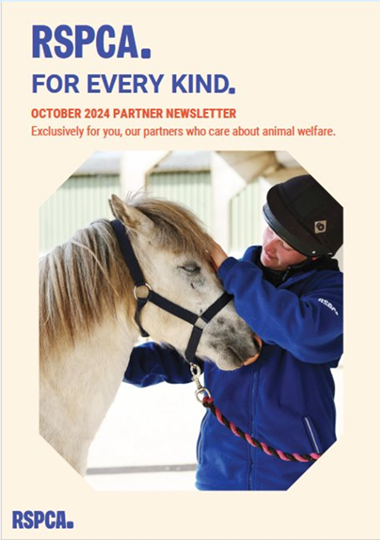
Try completing this sentence in your next newsletter:
Exclusively for you, our ______ who ___________.
What would you write there? Would you tailor the sentence by donor segment? Could you pair it with a photo that captures the warmth of your message?
Or, if you open with gratitude instead, try:
Thanks to you, our ______ who ________.
Would that shift in tone change the image you choose for the cover?
Help Your Donors See Their Ideal Selves
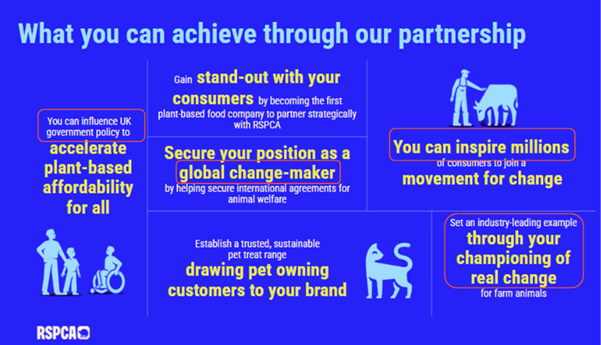
There’s a big difference between asking your donors what the RSPCA can achieve and asking what they themselves can achieve. Putting your donors in the spotlight doesn’t take away from your mission or the animals you help: it strengthens that shared vision of the world you want to build together.
When you highlight your donors, you help them see themselves in that better world: proud, compassionate, and essential to its creation.
How might you complete these sentences for your own supporters?
You can…
Secure your position as…
Set an industry-leading example through your…
In what other ways could you celebrate your donors? How might your corporate partners see their best selves reflected in partnering with you?
Don’t Be Shy – You Have Something Special
Many local charities feel they can’t compete with the national giants, that they cannot attract national attention. But national attention may not be what your donors need.
Some of the most moving, heartwarming communications we have seen come from one-person fundraising teams, armed with nothing but care and determination to help their donors feel loved.
This way of thinkingdoesn’t always come naturally to us, but it can be learned, we can train ourselves to think this way. With a bit of practice, this love–centered way of writing can become second nature, and the rewards are extraordinary.
Yes, it may take a few months to shift our mindset and how we think and communicate, but when we do, the results go beyond thank-you letters or donations. We feel more connected, more inspired, and more fulfilled in our work. We feel so much better every day. Because when we love people — we feel loved in return.
Here’s to adding a little more love to every day.
If you would like to start your own PhilPsych journey, you might want to explore our Certificate in Philanthropic Psychology course. The next cohort starts September 2026.